
Waymark Guide
Planning clarity for travel
For travellers making planning decisions — before booking.
What Waymark Guide Is
Waymark Guide helps travellers make better-judged planning decisions for a trip — before booking anything.It focuses on the decisions that shape a journey early: how to approach a destination, how much ground to cover, what to prioritise, and which trade-offs matter most depending on the kind of experience a traveller wants.The current focus of Waymark Guide is travel in New Zealand, with guidance grounded in the kinds of planning decisions travellers commonly face there.
How Waymark Guide Works
Waymark Guide starts from a simple idea: different travellers want different things from the same trip.It treats planning as a sequence of early decisions with trade-offs — helping travellers understand what their choices unlock or constrain before committing to routes, bookings, or activities.
The Planning Reality
Planning a trip often feels straightforward at first — until it isn’t. Information is abundant, advice is conflicting, and most guidance focuses on what to do rather than how to decide. As plans take shape, early choices begin to limit later options, often without travellers realising it at the time.
The Five Planning Decisions That Shape a Trip
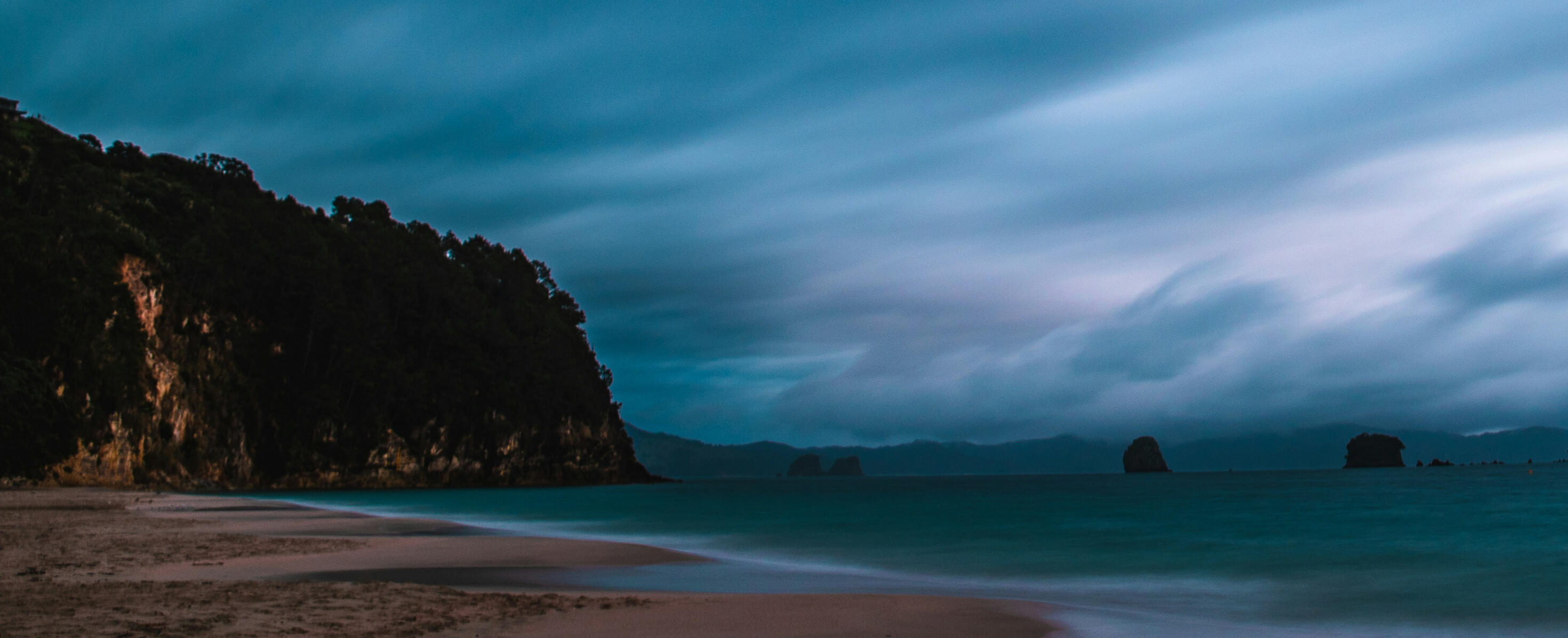
Most travel plans are shaped by a small number of early decisions. Waymark Guide brings those decisions into focus by structuring them into five planning decisions that shape how a trip unfolds. These decisions aren’t tips or recommendations. They are judgement points — moments where different choices lead to different trips. Waymark Guide focuses on them because this is where travellers most often feel unsure, overwhelmed, or regret decisions later.Together, they shape how a trip feels day to day — long before anything is booked.
Where to go
Timing and season
Route and pacing
Accommodation planning
Activity trade-offs
Where to go
Choosing places that fit your trip
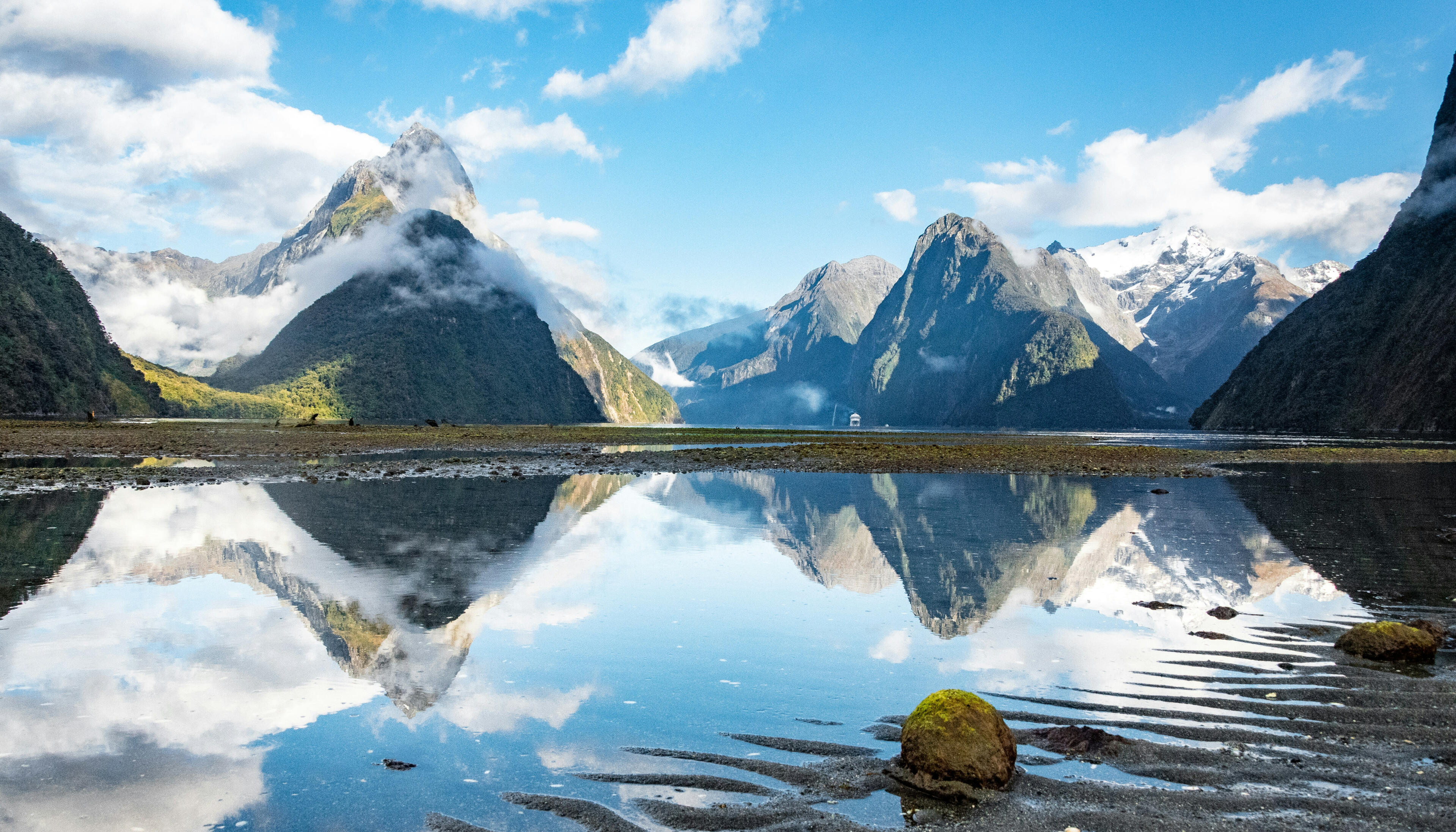
New Zealand offers more than most trips can reasonably hold. The regret usually isn’t choosing the “wrong” place — it’s trying to fit too many places into the time you have. This section helps you think about fit early: choosing places that align with why you’re coming and how you want the trip to feel, before routes, bookings, or highlights start pulling you in different directions.
What Waymark Guide does here
Waymark Guide helps you make an early judgement about how widely to travel — before routes, accommodation, or activities quietly lock decisions in.Instead of focusing on individual destinations, it helps you understand how different choices about where to range affect pace, flexibility, and day-to-day experience. The aim is not to narrow options prematurely, but to ensure the places you include genuinely fit together.
What this decision is really about
Choosing places without thinking about fit often leads to long drives, short stays, and days that feel tighter than expected.Where you go shapes:
how much time you spend travelling versus being somewhere
how rushed or settled the trip feels
what kinds of experiences are realistic day to day
how flexible your plan can be when conditions change
Start with your reason for coming
Before thinking about regions or routes, be clear on what matters most to you on this trip.Ask yourself:
what made you want to come to new zealand in the first place?
when you imagine a great day on this trip, what is happening in it?
do you want this trip to feel active, restorative, social, or unstructured?
are you more drawn to variety, or to spending longer in fewer places?
do you recharge more in lively places or quieter ones?
what would make this trip feel well spent when you look back on it?
Your answers don’t need to be perfect. They give you a reference point for deciding what fits — and what doesn’t.
Think about constraints as well as interests
Good place choices balance what you want to experience with what the trip can realistically support.Also consider:
how much time you want to spend driving on travel days
how often you want to pack up and change accommodation
whether flexibility matters if weather, energy, or interests shift
which parts of the country you feel strongly about including — and what that might exclude
if you had to remove one place from your plan, which would be hardest to let go of?
These questions surface trade-offs early, while they’re still easy to adjust.
How this decision plays out in New Zealand
In New Zealand, deciding where to go is less about individual highlights and more about how widely to range across the country.Distances can appear modest on a map, yet travel effort increases quickly as routes widen. Narrow roads, variable conditions, and changing terrain mean that expanding geographic scope often costs more time and energy than expected.Many experiences repeat subtly across regions. Lakes, beaches, mountain scenery, and small towns often share qualities, even as their settings change. What varies most is not always the experience itself, but how much time is available to notice it.Some experiences are geographically specific and cannot be substituted elsewhere. Others reward staying longer rather than moving on. Distinguishing between the two helps prevent over-coverage early in planning.This diversity within a relatively compact country is part of what makes New Zealand distinctive, especially when there is time to notice how places change rather than rushing between them.The scope chosen here shapes the rest of your trip — influencing daily travel load, flexibility around weather, and how settled each place can feel. Once routes and stays are fixed, geographic range becomes difficult to adjust.
Readiness to move on
If you’ve worked through these questions, you don’t need a final answer yet. You should have a clearer sense of what this trip needs to include — and what it doesn’t — which gives the next decisions a clear starting point.

Timing & Season
When the trip can actually work
Timing isn’t just about weather. It affects what’s possible, what’s crowded, and how much flexibility you have once you’re there. This decision is about aligning when you go with what you want to do — and how much compromise you’re willing to accept.
What Waymark Guide does here
Waymark Guide helps you make a realistic judgement about when to travel — based on the conditions you’re comfortable travelling in, rather than idealised expectations.Timing affects:
what activities are available or practical
how busy places feel day to day
how far in advance you need to commit
how much room there is to change plans
Two trips to the same place can feel completely different depending on when they happen.
Start with purpose, not preference
Before thinking about months or seasons, be clear on what the trip needs to support.Ask yourself:
is there an experience or activity that sets the timing for this trip?
how important is flexibility versus certainty?
are you comfortable planning around conditions, or do you want predictability?
if plans changed at short notice, would that feel stressful or manageable?
do you enjoy adapting as you go, or sticking to what you’ve booked?
would you rather compromise on weather, crowds, or cost — if you had to choose one?
For some trips, timing is a choice. For others, it’s a constraint.
Every season has trade-offs
There’s no universally “best” time to go.Some periods offer:
better conditions for specific activities
longer days
a more social atmosphere
Others offer:
fewer people
more availability
a quieter pace
Choosing a time means choosing which trade-offs you’re comfortable with. What matters is whether those trade-offs align with how you want the trip to feel.
Familiarity doesn’t remove constraints
If you’ve travelled before — or feel confident about the destination — it’s easy to assume timing will sort itself out.In reality:
availability still matters
conditions still shape what’s realistic
popular periods still fill up
Timing decisions matter even when the place feels familiar.

How this decision plays out in New Zealand
In New Zealand, timing shapes more than weather. It influences road conditions, daylight hours, access to regions, and how busy places feel once you arrive.These same conditions are part of what give the country its character — light that shifts quickly, landscapes that feel close and immediate, and experiences shaped by being present rather than passing through.Seasonal labels can be misleading. The same month can produce very different experiences depending on location, elevation, and prevailing conditions. Weather patterns shift quickly, and averages do not describe what a particular week will feel like on the ground.Peak periods concentrate demand into narrow windows. For some travellers, this shared energy and atmosphere are part of the appeal. The trade-off is reduced availability and flexibility, not just price.Outside those periods, places may feel quieter and more adaptable, while access to some experiences can narrow or change in character.Shoulder periods often appeal on paper, yet they come with trade-offs that are easy to overlook: shorter days, variable weather, and reduced margin for rescheduling. These factors matter more in New Zealand because distances and terrain amplify the impact of disruption.Once timing is fixed, other decisions become constrained. Routes, accommodation, and activity commitments tend to follow the calendar you set, even when conditions shift.The question is not simply when New Zealand is “best,” but how the timing you choose shapes the kind of trip you want to have.
Readiness to move on
You should have a clearer sense of when this trip can work — and what that timing allows or limits — before deciding how the trip should move.
Route & Pacing
How the trip unfolds day to day
Once you’ve chosen where to go, the next question is how the trip actually moves. Route and pacing are about how your days feel as they unfold — not how efficient the plan looks on a map. This is where many trips quietly break. Not because the places are wrong, but because the days ask for more than expected.
What Waymark Guide does here
Waymark Guide helps you think about how the trip moves day to day — not just where it goes. Route and pacing shape how your days actually feel: how much time is spent travelling, how often you change places, and how much energy is left for what you came to experience.This decision affects:
how much of each day is spent travelling versus being somewhere
how rushed or settled the trip feels overall
how fragile the plan is when conditions change
how much thinking and coordination each day requires
By considering pace early, you avoid plans that look tidy on a map but feel tight once you’re travelling.
Start with what the trip needs to work around
Before drawing lines between places, be clear on what this trip needs to accommodate.Ask yourself:
how many nights do you actually have?
are there fixed dates, bookings, or commitments the plan needs to respect?
how much daily driving or transit feels fine — and when does it start to drain energy?
how many days do you want to feel fully unstructured?
do you prefer a steady rhythm, or a mix of full and lighter days?
how important is it to have downtime built into travel days?
do you tend to underestimate how long transitions take?
would a slower pace feel indulgent — or frustrating?
These answers matter more than finding the shortest route.
Movement is a trade-off
Every time you move on, something improves — and something degrades.Moving more often can mean:
variety
contrast
a sense of progression
Staying longer can mean:
deeper rest
less packing and unpacking
more flexibility when plans change
Some plans need to work hard every day. Others leave space for rest, weather, or discovery. Neither is better — but they feel very different once you’re travelling. There’s no right balance. There is only what suits you for this trip, with this amount of time.
How this decision plays out in New Zealand
In New Zealand, how a trip moves often shapes the experience as much as where it goes.Distances can look modest on a map, yet the effort required to cover them varies widely. Roads are often narrow and winding, terrain changes quickly, and travel time is shaped by conditions as much as by kilometres. A day that appears simple on paper can take on a very different feel once you are on the ground.This is not a limitation of the country. It is part of what gives travel here its intimacy — landscapes feel close, transitions are noticeable, and movement through them becomes part of the experience rather than something to rush through.Route choices quietly determine the rhythm of your trip: how often you relocate, how many days begin with long drives, and how much time remains once travel is done. When routes spread widely, days tend to compress. When movement is more contained, days often open up.Pacing is where overseas travellers most often misjudge New Zealand. A steady, fast-moving route can feel efficient in planning, yet frequent relocation increases fatigue and reduces flexibility — particularly when weather, road conditions, or energy levels shift.Some regions reward depth rather than coverage. Time spent moving less can reveal variation that is missed when places are treated as brief stops. Other experiences rely on being in the right place at the right moment and benefit from a schedule that can adapt.Once routes and accommodation are fixed, the shape of each day becomes harder to change. Route and pacing decisions quietly set the practical limits of how responsive the trip can be.The question is less about how much ground to cover, and more about how you want your days to feel as they unfold.
Readiness to move on
If you’ve worked through this, you don’t need a finished route yet. You should have a clearer sense of how fast the trip can realistically move — and where adding margin would make it feel better — before locking anything in.

Accommodation Planning
What you need from where you stay
Where you stay isn’t just a backdrop. It affects how rested you feel, how much effort your days take, and whether the trip feels settled or tiring. This decision isn’t about finding the “best” place. It’s about being clear on what you need from a place to stay — so it supports the trip rather than quietly working against it.
What Waymark Guide does here
Waymark Guide helps you be clear about what you need from where you stay — so accommodation supports the trip, rather than quietly working against it.Where you stay affects:
how well you sleep and recover between days
how easily mornings and evenings flow
how much thinking and coordination is needed day to day
whether the trip feels settled, familiar, or effortful
A place can look right on a screen and still be wrong for how you want the trip to feel. Thinking about accommodation this way helps later decisions stay simpler, rather than compensating for friction.
Start with your non-negotiables
Before thinking about hotels, lodges, or apartments, be clear on what you actually need while travelling.Ask yourself:
what has to be true each morning for the day to feel like it’s working?
what do you need each night to properly switch off and rest?
how much effort are you willing to put into food, logistics, and daily setup?
how important is it that evenings feel easy and familiar?
do you tend to underestimate how tiring logistics can be over several days?
would more comfort help you do more — or help you slow down?
These answers are more important than style, ratings, or location labels.
Comfort, effort, and independence are trade-offs
Different types of accommodation support different needs.Some stays reduce effort by:
providing meals
handling daily logistics
keeping things predictable
Others offer more control by:
giving you space
letting you set your own rhythm
feeling more like a temporary home
Neither approach is better. The trade-off is between ease and independence, and what matters more to you on this trip.
Practical realities that matter
Accommodation decisions also interact with real constraints:
budget pressure over multiple nights
how close you are to what you plan to do
access, parking, stairs, or carrying luggage
whether you’re travelling solo, as a couple, or with others
Ignoring these tends to show up as friction — not on day one, but as the trip goes on.

How this decision plays out in New Zealand
In New Zealand, accommodation does more than provide a place to sleep. It shapes how days begin, how they end, and how connected you feel to where you are.Options range widely, from self-contained stays that support independence to hosted environments that offer structure, local insight, or shared experience. Neither approach is inherently better. What matters is how well it fits the rhythm you want for your days.Location often matters as much as style. Being close to where you plan to spend time can change the feel of a day entirely, especially in areas where distances, terrain, or access conditions affect travel more than expected.Accommodation also plays a role in how flexible a trip can be. Some stays support adapting plans in response to weather, energy, or opportunity. Others work best when days are more defined. In New Zealand, where conditions can shift quickly, this difference is worth noticing.This variety is part of what makes staying here distinctive. Many places are closely tied to their surroundings, and where you stay can become part of how you experience the landscape rather than a backdrop to it.Once accommodation is booked, other decisions tend to follow. Daily travel range, route options, and activity timing often align themselves around where you are based.The question is not which accommodation to choose, but which style supports the kind of days you want to have while you are here.
Readiness to move on
If you’ve worked through this, you don’t need to have accommodation booked yet. You should have a clearer sense of what you need from your stays — and what you’re willing to trade — before you start choosing specific places.
Activity Trade-offs
How you choose what fills the days
Activities don’t just fill time. They shape how the trip feels as it unfolds. This decision isn’t about doing more. It’s about choosing experiences that fit the energy, budget, and flexibility you want across the trip.
What Waymark Guide does here
Waymark Guide doesn’t tell you which activities to book or what you “must” do. It helps you recognise how different choices affect time, energy, flexibility, and cost — so activities support the trip rather than quietly controlling it. Activities influence more than how full your days are.They shape:
how rushed or relaxed your days feel
how flexible you can be when plans need to change
how tired or energised you feel over multiple days
how much of the budget is committed early
A single experience can be meaningful — and still reshape the days around it.
Start with what matters most
Before looking at options, be clear on what you’d regret not doing.Ask yourself:
are there one or two experiences this trip is built around?
do you want days that feel full and active, or open and unstructured?
how important is it to be around other people and activity, versus quieter time?
You don’t need a complete list. You just need to know what carries the most weight. For some people that weight comes from novelty, for others from depth, ease, or shared moments — the difference matters.
Experiences come with hidden costs
Activities often trade one thing for another.Some add structure by:
fixing start times
committing a full day
shaping where you need to be
Others preserve flexibility by:
fitting around weather
allowing late starts or early finishes
leaving room to adjust plans
Neither is better. The question is what you want the days around them to feel like.
Budget is part of the decision
Activities also set the tone for how money is used on the trip.Some travellers prefer:
a few high-impact experiences
fewer decisions once they arrive
Others prefer:
spreading the budget across the trip
keeping options open day to day
Being clear about this early prevents tension later — both in planning and on the trip.
How this decision plays out in New Zealand
If you’ve worked through this, you don’t need to have anything booked yet. You should have a clearer sense of what experiences matter most — and how much structure you want around them — before deciding when to go.
Readiness to move on
In New Zealand, activities range widely — from outdoor experiences shaped by weather and conditions, to indoor, hosted, or urban experiences that offer a different kind of rhythm to a day.Some experiences require advance commitment because capacity is limited or timing is fixed. Others benefit from flexibility, allowing plans to respond to conditions, energy, or opportunity as they unfold. The balance between committing early and leaving space is one of the most important activity judgements to make here.This variety is part of what gives travel in New Zealand its character. Days can hold a mix of responsiveness and certainty, and different types of activities contribute in different ways to how a trip feels.Activity choices also interact with route and pacing. A tightly scheduled plan can increase pressure when conditions shift, while a looser structure can make it easier to adapt without losing the shape of the trip.Different travellers value different things. For some, securing a specific experience matters most. For others, having days that can respond to weather, curiosity, or rest is part of the appeal.Once activities are committed, they often anchor routes, accommodation, and daily timing around them. This can add clarity to a plan, while also reducing flexibility if circumstances change.The question is not how many activities to include, but how much structure you want your days to carry as they move through the country.
Before You Move On
You don’t need to have every detail resolved right now. If you’ve walked through these early planning decisions, you’ve done the hard part: wrestling with the trade-offs that quietly shape a trip.This doesn’t mean your plan is fixed. It means you have enough clarity to decide what matters most — without second-guessing.When you feel ready, you can move forward with fewer assumptions and more confidence.
How Waymark Guide Works
Planning clarity for travel — helping travellers make better-judged decisions before booking.
Contact
© Waymark Guide — Planning clarity for travel.
Privacy
Waymark Guide does not currently collect personal information from visitors. Basic, anonymous analytics may be used to understand how the site is accessed and used, such as page views and general traffic patterns. This information does not identify individual users.Waymark Guide does not sell, trade, or share personal information with third parties. If you contact Waymark Guide directly by email, your message will be used only to respond to your enquiry.This privacy notice may be updated if the way Waymark Guide operates changes in the future.